
The Cost of Optimism: Nolan Wells, White Spaces, and the UU Paradox
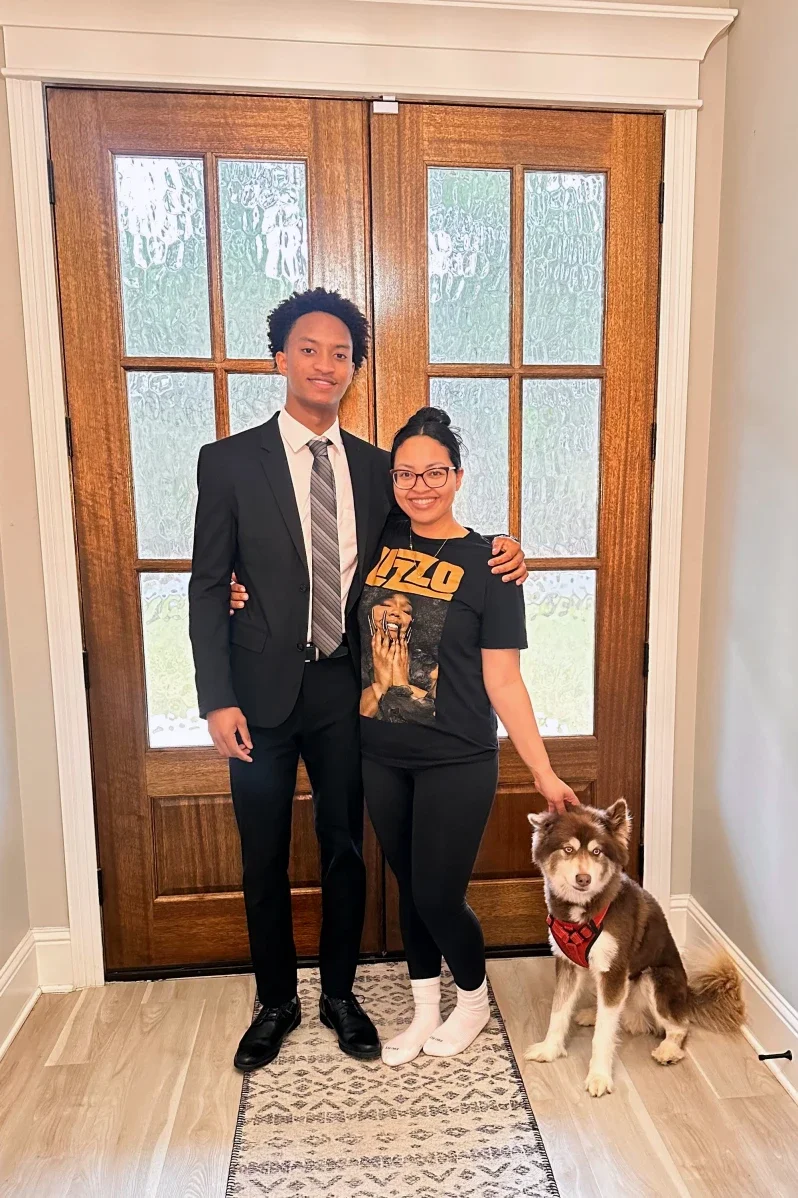
Image: Nolan Xavier Wells and his mother, Christine Wonsley with their family dog; family photo via Associated Press
by Natasha Walker
“Pouring into a relationship with someone who isn’t pouring into you is abusive. For Black people, that asymmetrical investment isn't just demoralizing—it can be fatal.” — NW
The news of Nolan Wells’s tragic death sent a familiar, icy shiver through the bones of Black America. It immediately mirrored the case of Tamla Horsford. And, symbolic of a history much older than both of them, there are sadly so many more before her.
Legally, structurally, we are told these are isolated incidents. We are told there may be no real racial implications. But every Black person felt the truth in their bones: the terrifying realization that a group you thought you were a part of simply did not have your back. And in our world, that lack of protection carries deadly consequences.
The concept of being the only Black person in a sea of white faces has never represented safety for most of us.
At its best, being the only person of color connotes the rampant "othering" that Corporate America normalized—tokenizing a single individual as being “enough” color to appease a DEI accountability check. At its worst and most nefarious, it evokes the grotesque, historical photos of swaths of smiling white faces surrounding a lynched and lifeless Black body, displayed like a prize fish.
Pouring into a relationship with someone who isn’t pouring into you is abusive. For Black people, that asymmetrical investment isn't just demoralizing—it can be fatal.
At the risk of being melodramatic, I think in many ways and at a smaller scale, this national reality reflects the lived experience of People of Color within Unitarian Universalist spaces.
We enter these sanctuaries seeking a refuge from the world, yet so often we find a mirror of it. We are misunderstood. We are tokenized. We are microaggressed. We are tolerated rather than truly embraced. We show up week after week in spaces that do not fully reflect, celebrate, or protect us.
And yet, we stay. We show up. We lean in.
In doing so, we display the radical optimism that is absolutely necessary to meet this heavy moment. We have faced down the fear, the anger, and the resentment to actively pull this faith toward its own stated ideals of justice, equity, and compassion. We remain deeply invested in the concept of the Beloved Community—not out of naive comfort, but because the alternative has never served us.
But let us be clear about the toll it takes. We are heartbroken. We are filled with rage. And we are so, so exhausted.
See you Sunday.
Natasha Walker
Executive Director, UUANI