
The Sacred Pace: Why Justice is a Marathon, Not a Sprint
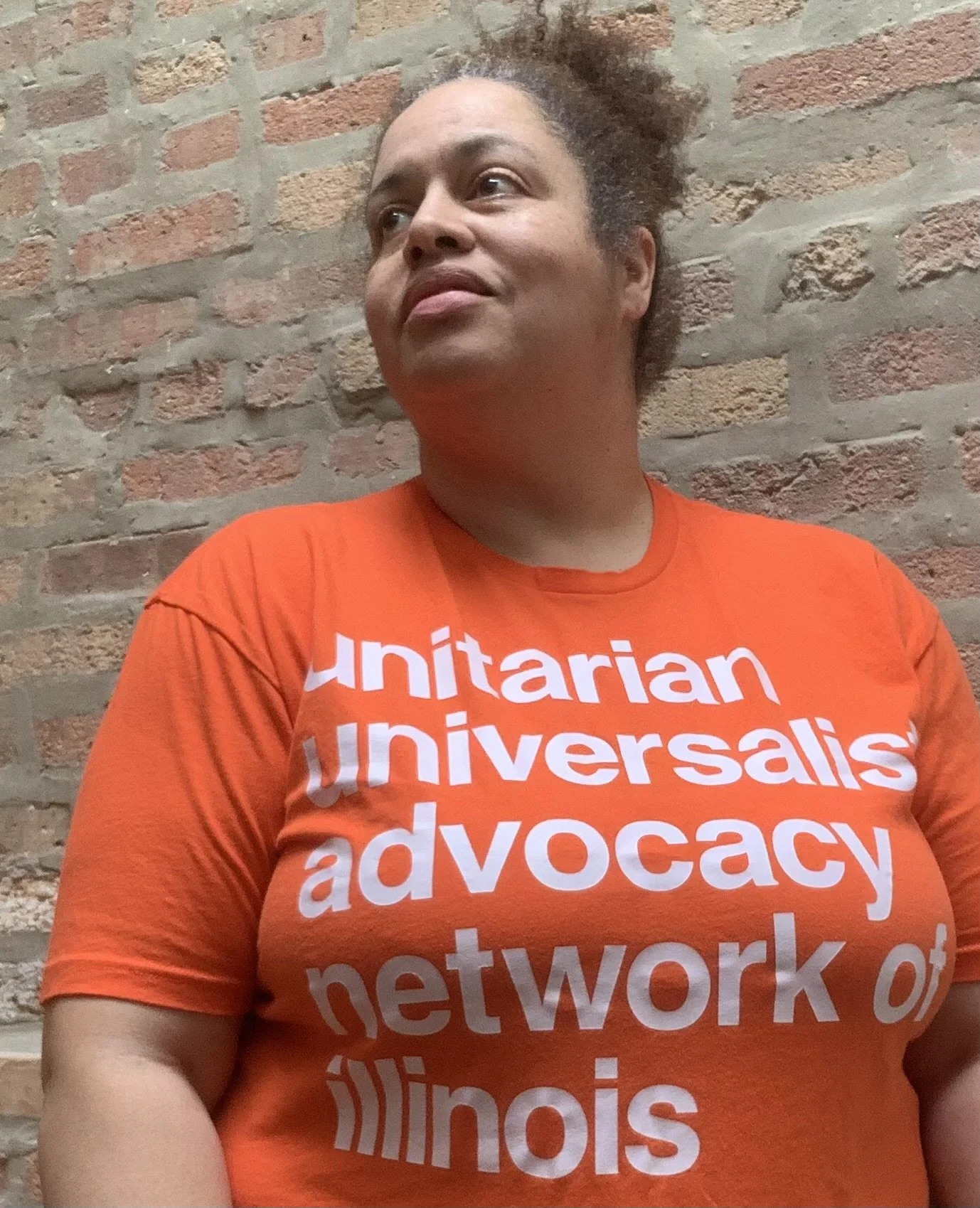
by Natasha Walker
“By slowing down, we ensure that when we move, we move in a way that honors those who have been in the fight and centers those who live with the results.” — NW
In the world of advocacy, there is a recurring, frantic pulse. It’s the feeling that every headline is a prompt, every legislative session a closing window of opportunity, every protest and every injustice a fire that must be extinguished by yesterday. We feel it in our bones: the urge to run faster, to do more, and to achieve a "victory" so we can finally take a breath.
But as we look at the landscape of our work across Illinois—from the pews in Rockford to the community centers in Carbondale—we are reminded of a difficult truth: Social justice is a marathon, not a sprint.
The Trap of Speed and Paternalism
When we feel the desperate urge to sprint, it is usually well-intentioned. It comes from a place of deep compassion and a desire to end suffering. However, we must be wary of the internal drive for immediate results. We cannot afford to confuse activity for impact.
Insisting on a pace that outruns the lived reality of those in the struggle is the root of paternalistic policy. When we prioritize our own timeline for fixing things, we ignore the power of proximity—the sacred truth that those closest to the pain are closest to the solution. Often, the rush to restore equilibrium is more about soothing our own discomfort than achieving systemic transformation. A marathon pace allows us to stay close, to listen, and to move at the speed of trust rather than the speed of impulse.
The Spiritual Gift of Humility
In Unitarian Universalism, we talk often about being a people of the messy middle. There is a profound spiritual awakening to be found when we stop running away from the discomfort and instead choose to sit within it.
This requires us to arrive at the work with deep humility. We must recognize that just because a movement or a struggle is new to us, it does not mean it is new to the world. Generations of organizers, neighbors, and ancestors have been tending these fires long before we arrived. It is okay—and often necessary—to take a beat. We must allow ourselves the space to absorb the knowledge and experience that has already been gained by others before we begin "thrashing about." To listen before we speak is not a sign of inactivity; it is an act of spiritual discipline.
Building for the Long Haul
At UUANI, we have spent much of this past season focusing on our "marathon training." It hasn't always been flashy. It has looked like developing our three Action Strategy Teams—Legislative, Voter Advocacy, and Resistance—to ensure we have the specific vehicles needed for the long road ahead. It has looked like our statewide tour, visiting congregations to listen and align our moral voices so we aren't just loud, but synchronized.
This work of building infrastructure and deepening relationships is the training that allows us to stay in the race for decades, not just this season. By slowing down, we ensure that when we move, we move in a way that honors those who have been in the fight and centers those who live with the results.
Staying in the Race
If you are feeling exhausted by the pace of the world, this is your permission to adjust your stride. You don't have to solve everything this week. You don't have to return the world to equilibrium by yourself.
Instead, I invite you to find one sustainable way to stay engaged. Perhaps that is signing up for our Action of the Week, joining a strategy team, or simply showing up for your local congregation to ground yourself in community.
The marathon of justice is long, and the terrain is often rugged. But when we run together at a sacred pace—informed by proximity and grounded in humility—we find that the journey itself is where the true transformation happens.
See you on the road,
Natasha Walker
Executive Director, UUANI