
Ancestor Work: Juneteenth, Interdependence, and the Long Arc of Liberation
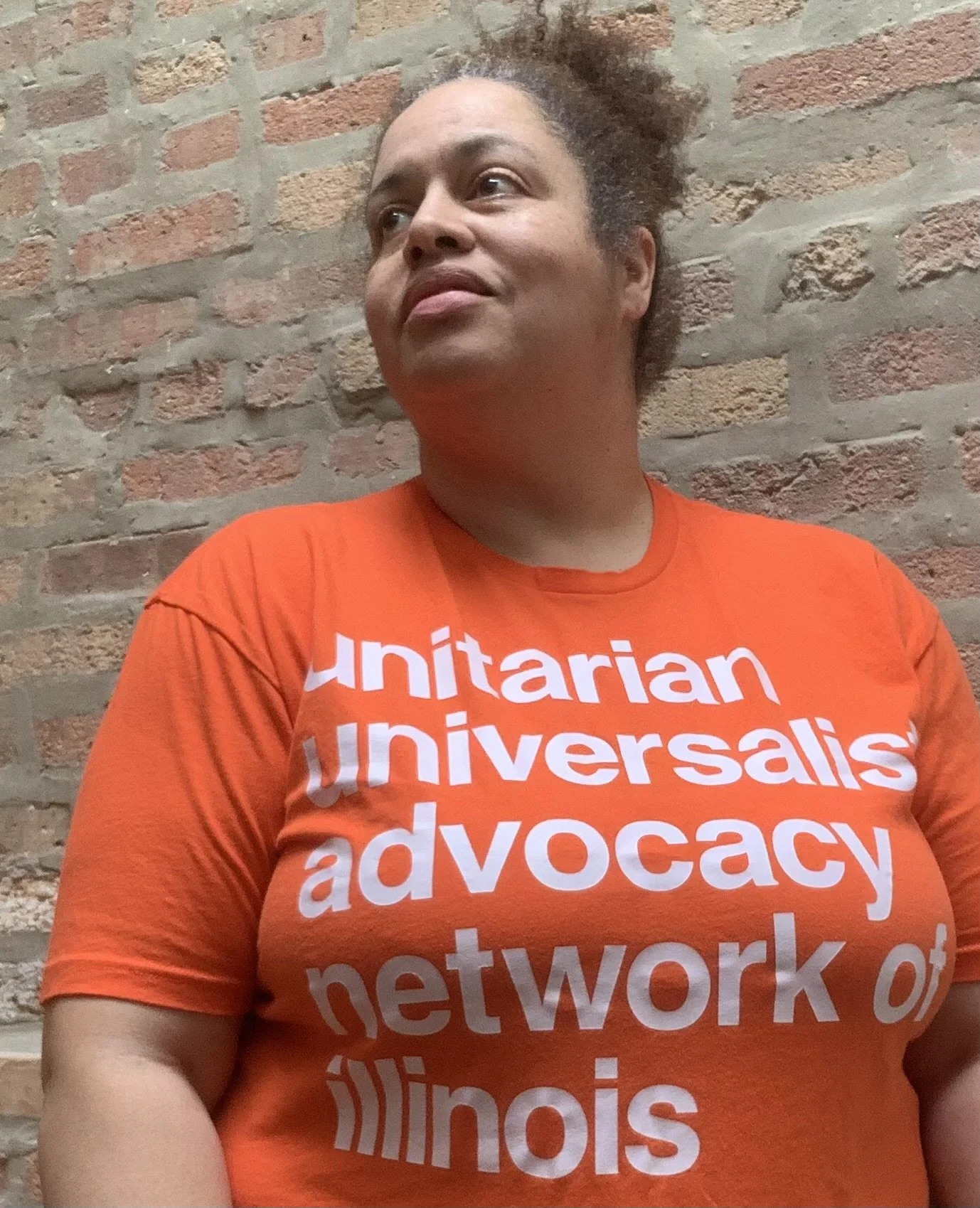
by Natasha Walker
“When the headwinds grow strong, the systemic temptation is to retreat, to isolate, and to protect only our immediate circles. But isolation is the enemy of liberation.” — NW
On Juneteenth, we celebrate a monumental moment of emancipation, but we also sit with a complex truth: liberation is a process, not a single calendar date. As we continue to show up for this work today, it often feels like we are wading through an endless stream of headwinds. The political, social, and environmental landscapes can feel overwhelmingly heavy.
But there is a profound comfort in remembering a simple truth: no human experience is unique.
At this point in recorded human history, someone has already been through what you now face. Our ancestors stared down impossible, suffocating odds and refused to yield. When the road ahead feels entirely uncharted, we must look backward to find our bearings.
When the headwinds grow strong, the systemic temptation is to retreat, to isolate, and to protect only our immediate circles. But isolation is the enemy of liberation.
Indigenous cultures have long recognized that symbiosis is foundational to sustainability. If we want to build a world that lasts, we have to understand that caring for future generations requires more than just ecological conservation—it is more than conserving water sources, mitigating pollution, and protecting forests.
True sustainability requires us to model this interdependence in our daily interactions. How we treat each other, how we build coalitions, and how we show up in community is core to our longevity and our collective liberation.
Let us be clear: Black liberation is not a siloed struggle. Black liberation is for the liberation of all of us.
As we navigate this moment, we stand at a crossroads. There is a tangible opportunity before us, but there is also a potent danger that we will repeat the same mistakes that multicultural movements have made in the past—getting bogged down in infighting, losing sight of the systemic target, or settling for symbolic victories over systemic change.
To avoid those traps, we need to shift our focus to the horizon.
Young people today are hungry. They are not interested in incrementalism or empty rhetoric; they want tactics and actions that match the scale of the problem. They are the audience we should be listening to, providing spaces and real power to, and holding ourselves accountable to. They are demanding the future they deserve, and it is our job to help clear the path.
The reality of deep systemic change is a humbling one. As was true for so many of our ancestors, we may not live to see the Beloved Community we envision. The work outlives the worker.
But that is not a cause for despair; it is a call to purpose.
Right now, in this very moment, we are the ancestors that future generations will look back to.
Let that truth guide your actions and your spirit today. Let it dictate how you fight, how you love, and how you build. We are the bridge between the struggles of the past and the liberation of the future. Let’s build it to last.
Natasha Walker
Executive Director, UUANI